opening:
Monday to Sunday
Call us:
+256 200 946 552
e-mail:
info@thevirungamassive.org
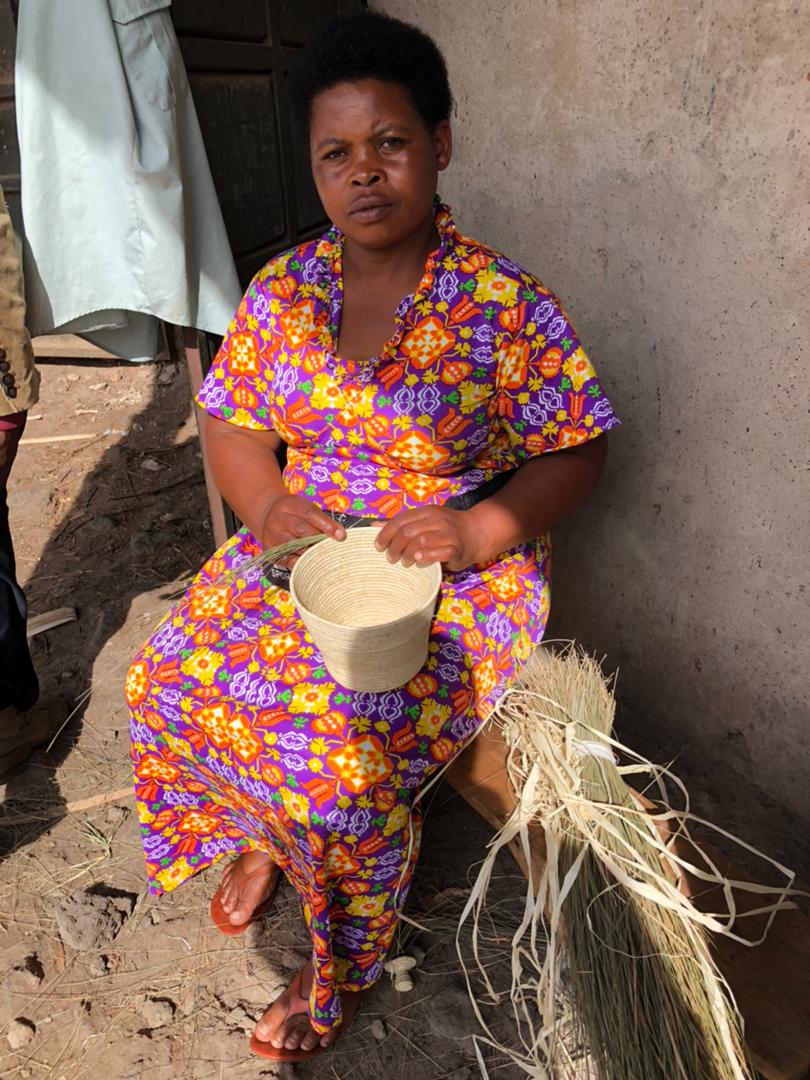
The link between resilience and livelihoods are clear. Successful livelihood strategy incorporates mechanisms for coping and bouncing back when difficulties emerge.
VMCC interventions focus at enhancing people’s income-generating capacities, infrastructure, support services, market expansion activities and training. Resilience interventions contribute to efforts towards food security, integration to break the cycle of crisis and deepening vulnerability.
Agricultural practices, vocational and business trainings are often considered necessary complementing components in livelihood interventions. Well harnessed local context, power dynamics, training and vocational skills can improve livelihood opportunities.

VMCC looks at four key elements of transformative change in resilience building.
– Resilience pathways and outcomes (community and livelihood resilience)
– Enabling environments; internal and external factors enabling or obstructing progress.
– Actors and stakeholders and their roles in resilience building.
– Beneficiaries, equity, and inclusion
You can contribute to this project by booking a tour with us, buying our ladies’ crafts and donating to the cause.